
The Role of Memory and the Past
Death of a SalesmanThe theme of memory as a shaping force in the present, as Willy's past intrudes on his current reality, both haunting and comforting him.
increasing Bearing strength in each event
 decreasing
Bearing strength in each eventdecreasingThe Intrusion of the Past
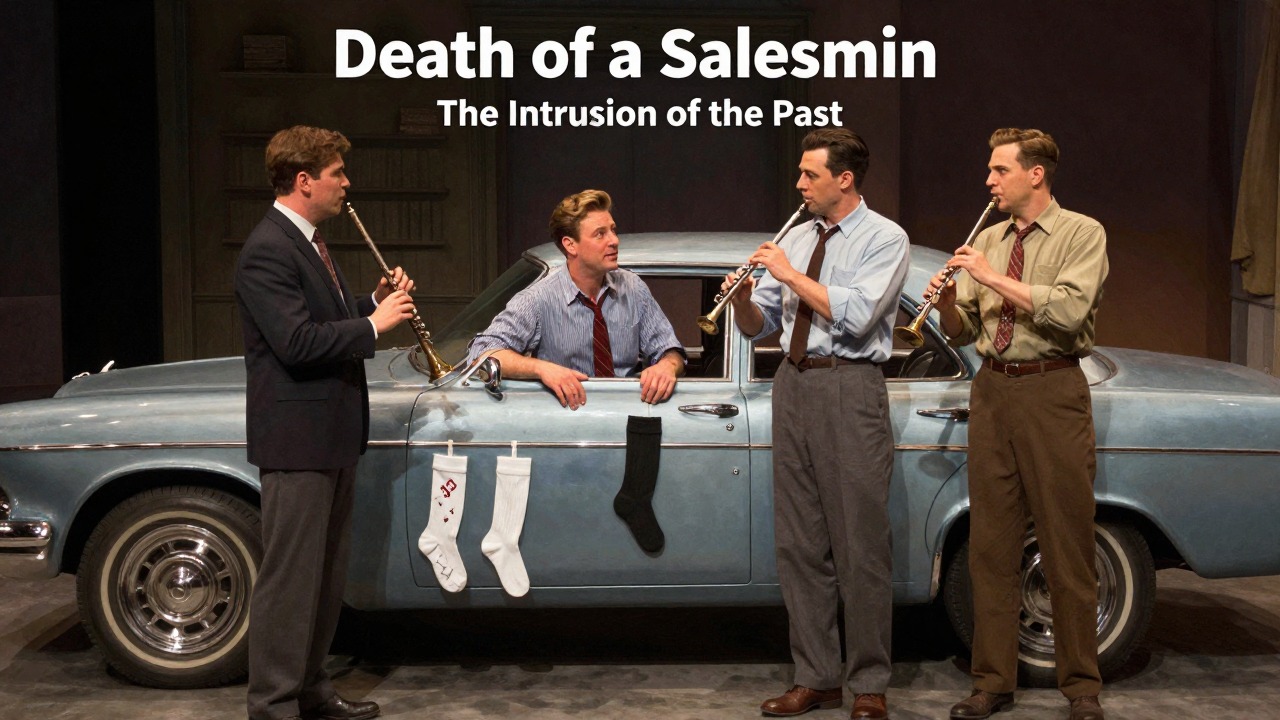
The Past as Present
The Fluid Time
The play's structure collapses past and present. Willy's memories are as real to him as the current action. He relives his successes and his betrayals.
The Triggers
Specific objects trigger memories: the stockings, the car, the flute. The past is not static; it is alive and active in Willy's mind.
The Purpose of Memory
Willy uses memory to escape the present. He retreats to a time when he was successful and loved. But memory also brings pain, as the Boston affair haunts him.
The Construction of the Past
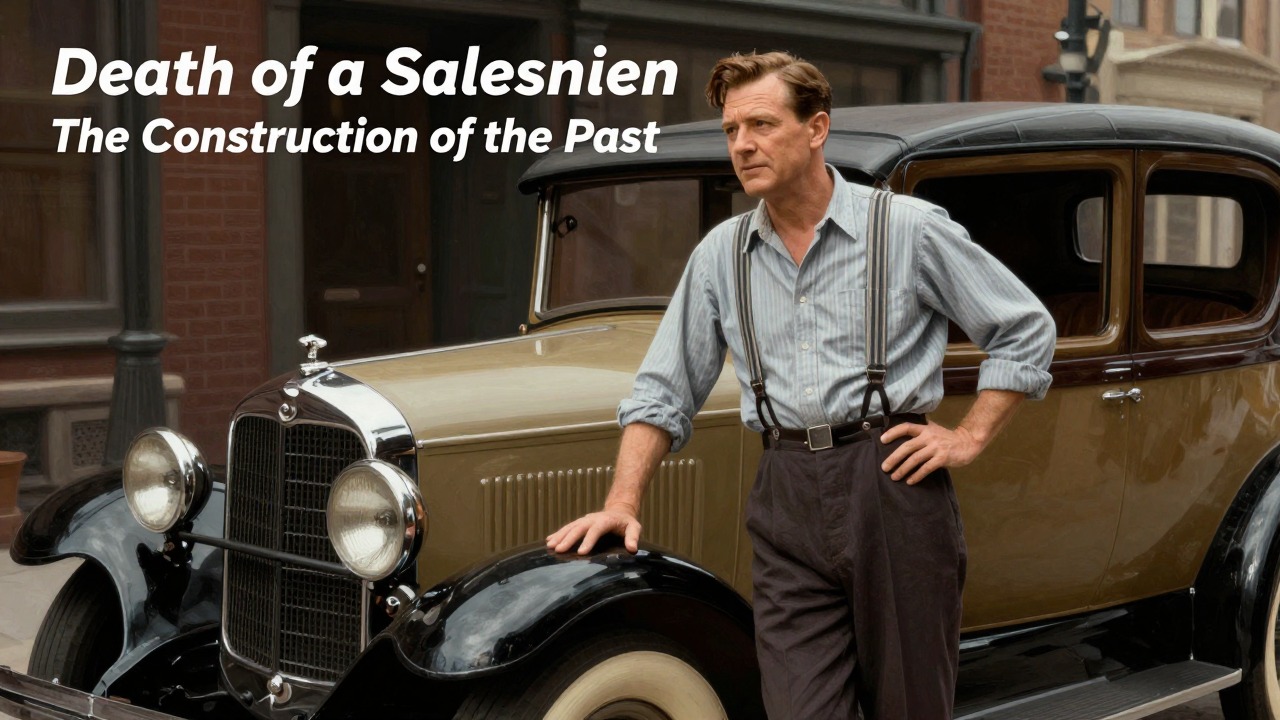
The Selective Memory
The Idealization
Willy's memories are not accurate; they are constructions. He idealizes the past, remembering Biff's glory days and his own success. He forgets the failures.
The Revisions
Willy's memory of the Dave Singleman story is a myth. His memory of the 1928 Chevy is a symbol of a lost golden age. The past is a story he tells himself.
The Function of Denial
Memory serves denial. By focusing on the past, Willy avoids the pain of the present. But the past cannot be escaped; it informs the present in ways he cannot control.
The Past as a Trap
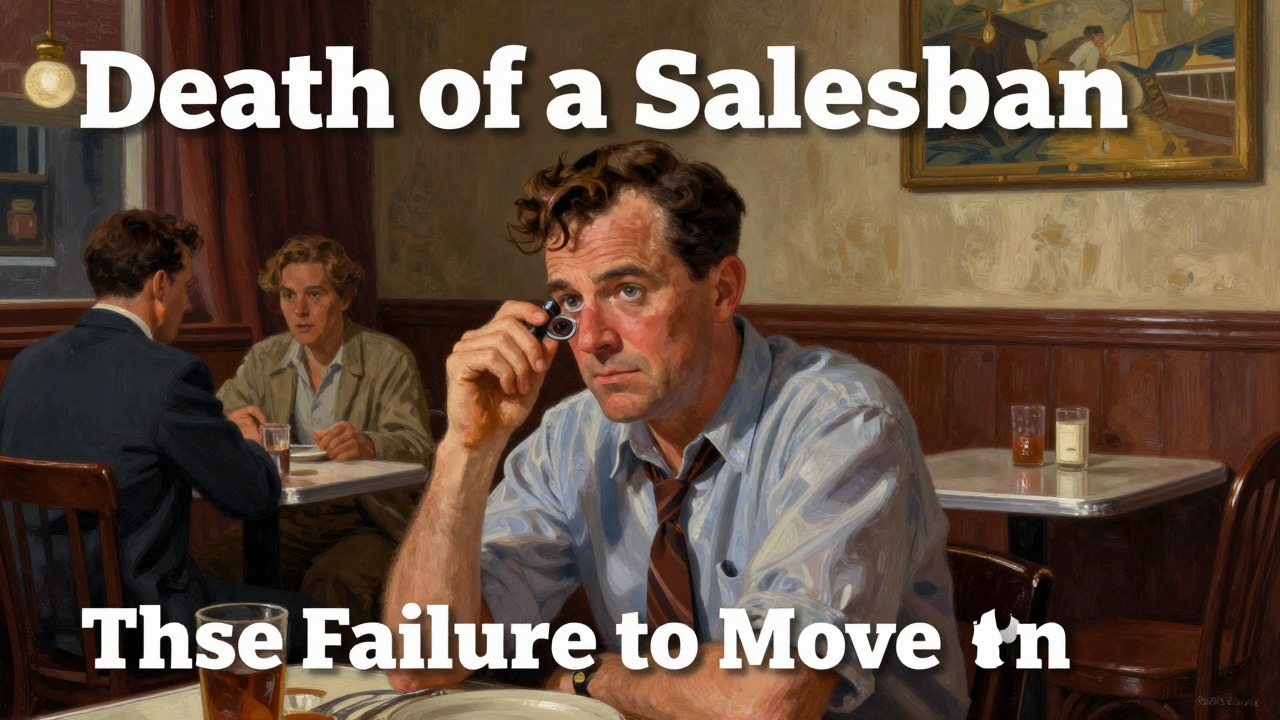
The Inescapable History
The Boston Flashback
In the restaurant, Willy's memory of the Boston hotel room overwhelms him. He cannot separate it from the present. The past is a trap that holds him.
The Failure to Move On
Willy is stuck in the past. He cannot move forward because he cannot resolve the guilt and shame. The past is a prison from which he can only escape through death.
The Play's Structure
The play's non-linear structure mirrors the mind's inability to escape memory. The past is always present, always shaping the moment. The theme highlights the power of history.
Throughout the present day
Willy's memories
Final scenes
